

By Alagi Yorro Jallow
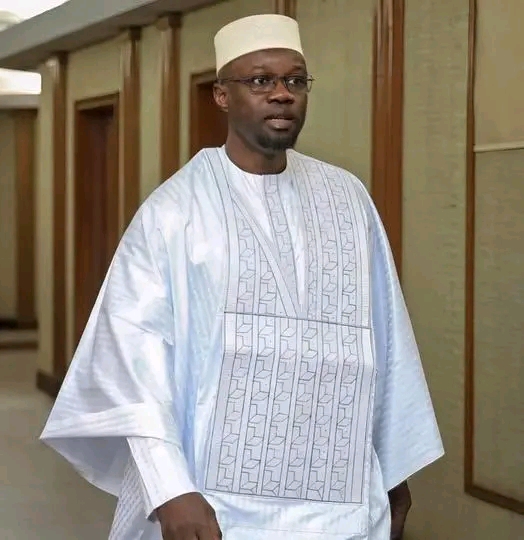
Fatoumatta: Senegal is entering a moment of profound constitutional tension. The promise of a new political era, one built on republican discipline, institutional renewal, and civic dignity, is now challenged by the evolving ambitions of a Prime Minister who appears to align the state with his political vision. When Ousmane Sonko addressed the National Assembly as the “Guardian of the Revolution,” it raised important questions about leadership in a democratic republic. The General Assembly of the Diomaye President Coalition has indicated that this approach may be at odds with the constitutional order that Senegal values.
Abdourahmane Diouf, Minister of Environment and Ecological Transition, gave the day’s most important comment. His words — “The only guardian we recognize is that of the Constitution” — were not just nice-sounding. They were a clear reminder of the law, setting a needed limit to keep the Republic safe from risky ideas. Diouf’s point was simple: no matter how charming or popular, no one can say the country is theirs to protect. In a republic, authority comes from laws and institutions, not personal stories.
Diouf’s remarks reinforced political reality: the Diomaye President Coalition secured the legislative majority. The coalition’s grassroots strength enabled Bassirou Diomaye Faye’s presidency. Revolutionary rhetoric cannot change this. Former Prime Minister Aminata Touré and other leaders collectively refused to let personal theatrics redefine the coalition’s purpose. The coalition is asserting its mandate.
The current difficulty is that challenges Sonko once identified in opposition now appear under his leadership. State violence, such as the tragic killing of a university student during protests, reminds Senegal of the risks that accompany unrest. Reports of journalist and dissident arrests persist, despite earlier hope for a new democratic period. Civil liberties have faced constraints, even as the government claims commitment to freedom. Governance faces transparency questions, including concerns about private jet use. Although the administration’s revolutionary ambitions are clear, major infrastructure achievements have yet to appear. These developments highlight the complexity of leadership rooted in symbolism rather than broad collaboration.
A Prime Minister who describes himself in revolutionary terms risks competing authority, which can challenge the President’s position and coalition unity. Democracies function best when government leaders work within established institutional frameworks. Senegal’s success hinges on respect for authority and the avoidance of parallel leadership structures.The General Assembly of the Diomaye President Coalition was not a routine gathering. It was a political intervention — a declaration that the coalition intends to reclaim its rightful place as the backbone of governance. Their call for mobilization ahead of 2029 was not merely an electoral strategy; it was a warning that the coalition would not allow itself to be absorbed into a personal crusade. The message was unmistakable: the coalition will not be intimidated, sidelined, or dissolved into a revolutionary mythology that serves no one but its self‑appointed guardian.A Prime Minister who fuels division, undermines constitutional authority, presides over repression he once condemned, and claims sole guardianship of a revolution is unfit to lead a government that promised justice and renewal. Resignation is not a punishment, but an act of republican responsibility needed to restore coherence, constitutional order, and coalition unity.
Fatoumatta: Senegal stands at a decisive crossroads. The coalition has voiced its perspective. The Constitution remains the foundation. The Republic’s expectations are clear. Ousmane Sonko now has an important decision about how best to serve the nation.