

By Madi Jobarteh
On June 2nd, the Ministry of Information issued a press release about the global prosperity index released by Business Insider Africa and based on the Atlantic Council’s Prosperity Index 2026. The Ministry selectively chose the rankings of sub-Saharan Africa in which the Gambia is ranked 10th most ‘prosperous’ country on the continent. The Ministry went on the state that the report highlights economic performance in which growth is translated into improved living standards for citizens.
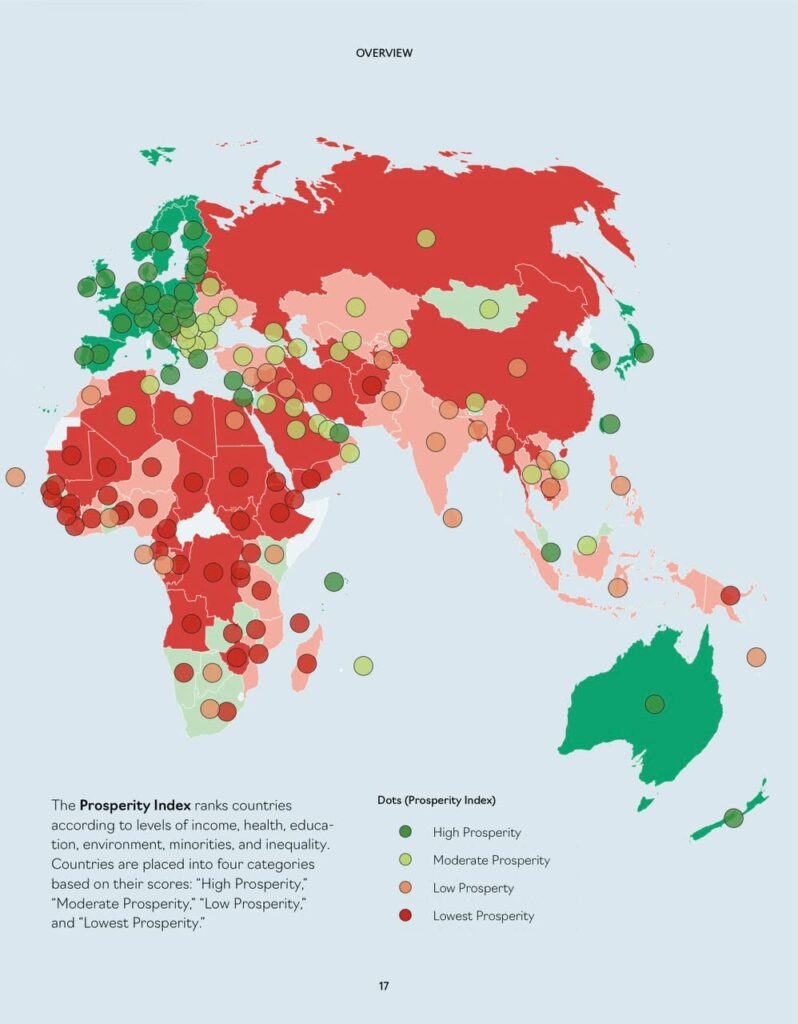
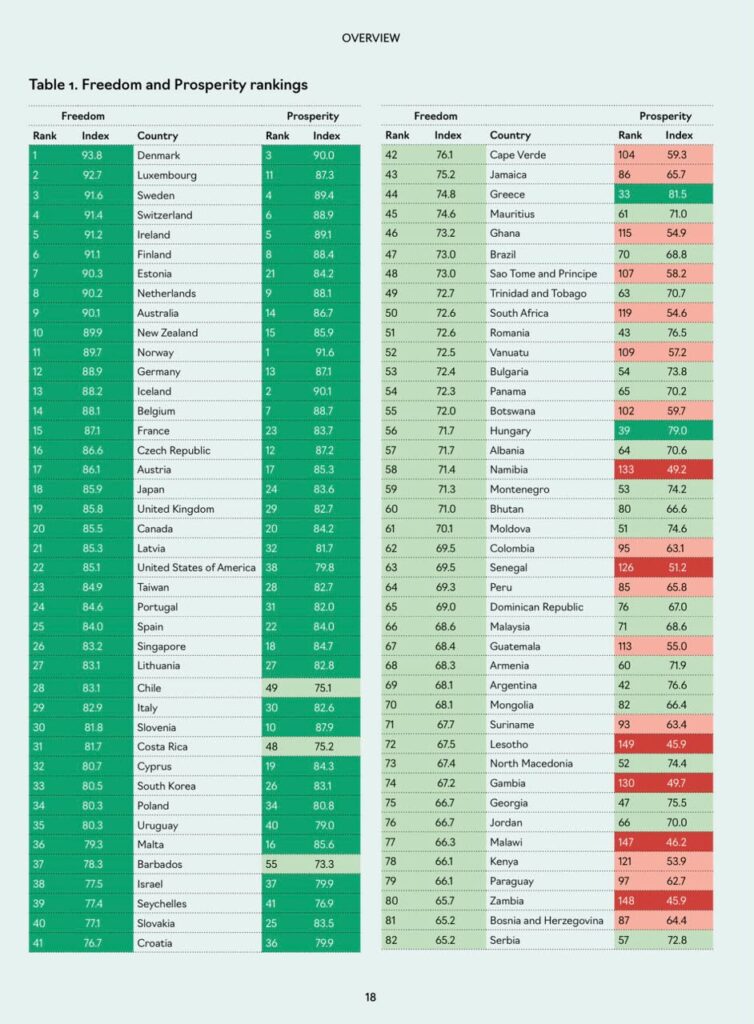
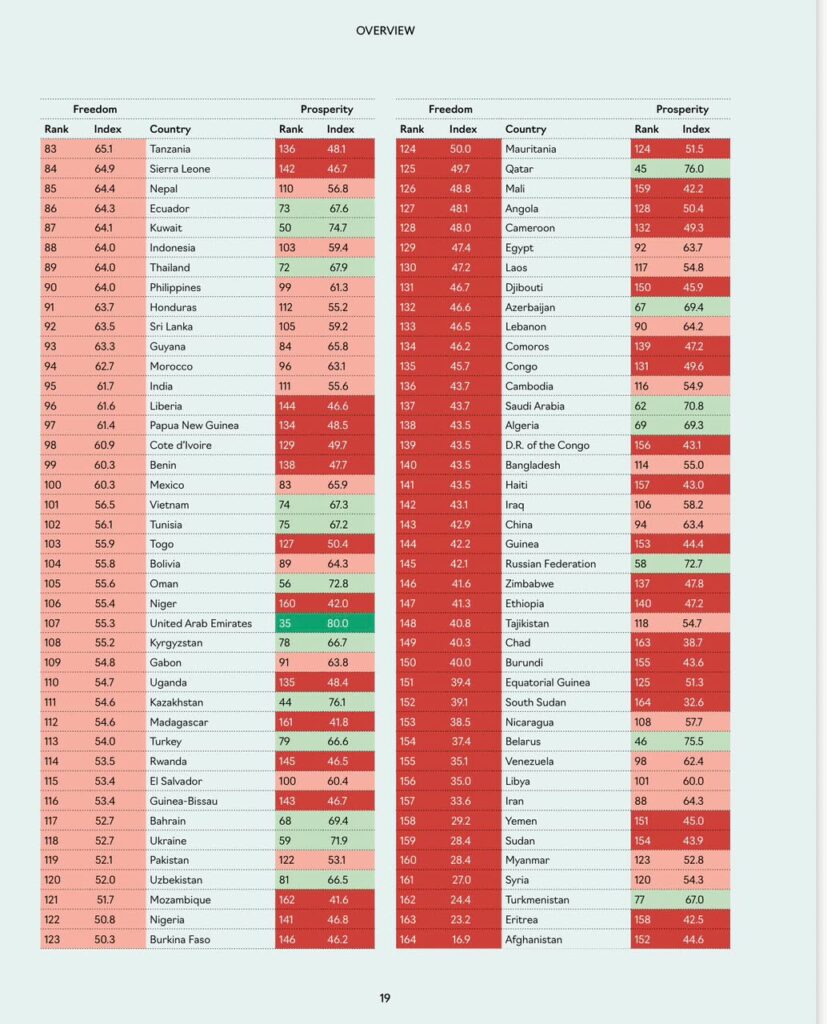
The way the Ministry presented this report is what constitutes disinformation as it highlights a deliberate selection and rejection of information in order to craft a desired image. The information that the Ministry left out is that out of the 164 countries featured in this report, the Gambia ranks 130, placing in the lowest prosperity category in the world. Once again, the Ministry is manifesting its usual disinformation posture in which it deliberately exploits international surveys to mislead Gambians. But it will ignore and even try to discredit local surveys that it finds unfavourable.
Recently the Ministry spearheaded the creation of a misinformation and disinformation response centre on the stated objective that it was meant to combat the practice of misleading people and propelling false and damaging information. By that token, what is expected of the Government therefore is to ensure that it provides full and accurate information to Gambians, and not to select pieces that would give a false and incomplete impression of reality.
This report in question credits the Gambia’s performance to governance, democratic reforms, social inclusion, tourism, agriculture, and remittances. Yet each of these claims warrants closer scrutiny.
First, the notion that the Gambia is making significant gains in governance and democratic reform sits uneasily alongside growing incidents of democratic backsliding, weak accountability, corruption, delayed institutional reforms, and increasing public frustration with government performance. Citizens continue to demand greater transparency and accountability in the management of public resources while major governance reforms remain incomplete. Prosperity cannot thrive where accountability is weak and institutions fail to inspire public confidence.
Second, the report’s reference to social inclusion is difficult to reconcile with the persistent underrepresentation of women, persons with disabilities, youth, and other marginalized groups in decision-making institutions. Representation of women in Cabinet, the National Assembly, local councils, and senior public offices remain far below acceptable standards. Persons with disabilities continue to face barriers to participation and equal opportunity. Inclusion cannot be claimed when significant sections of society remain largely absent from positions of power and access to services.Third, tourism is cited as a major driver of prosperity. Yet operators within the sector continue to face serious challenges, including erratic electricity supply, high utility costs, inadequate infrastructure, rising operational expenses, and declining competitiveness. A tourism industry struggling with basic infrastructure constraints cannot be described as a strong foundation for national prosperity.Agriculture presents a similar contradiction. Farmers continue to face difficulties accessing markets, obtaining affordable inputs, securing financing, and receiving timely payments for their produce. Food insecurity remains a concern, while the country continues to depend heavily on imported food. A prosperous agricultural sector should guarantee food security, increase rural incomes, and create sustainable livelihoods. The Gambia is still far from achieving these goals.
The report is perhaps most accurate when it highlights remittances as a key economic driver. Gambians abroad continue to support families and sustain the national economy through their hard-earned income. Yet there is a deep irony here. While the country celebrates the economic contribution of the diaspora, it continues to deny Gambians abroad the practical enjoyment of their constitutional right to vote and be represented. Diaspora investors and entrepreneurs also frequently encounter bureaucratic obstacles, inefficiency, and corruption when seeking to invest at home.
Beyond these sectoral concerns lies a more fundamental question: What exactly is being celebrated?The Ministry’s focus on the country’s ranking within Sub-Saharan Africa ignores the broader context. Most countries in the region continue to struggle with military rule, civil conflict, authoritarian governance, corruption, weak institutions, poverty, and underdevelopment. Consequently, performing relatively well within such an environment does not necessarily indicate genuine prosperity. After all, all of the top 10 African countries are in the ‘Low Prosperity’ category with the Gambia in ‘Lowest Prosperity’ bracket.
Therefore, the true benchmark is not how the Gambia compares with some of the world’s most fragile states but whether citizens are experiencing meaningful improvements in their quality of life.Can Gambians rely on uninterrupted and affordable electricity? Can they access quality healthcare without hardship? Are schools producing the skills needed for a modern economy? Are young people finding decent jobs? Are farmers earning sustainable incomes? Are businesses operating in an environment free from excessive bureaucracy and corruption? Are public institutions delivering services efficiently and transparently?
For many citizens, the answer remains no.
Rather than celebrating a ranking that still places the Gambia among the least prosperous countries globally, the Government should use it as an opportunity for reflection. The fact that the country ranks 130th out of 164 countries should be a reminder that much work remains to be done.Let me remind the Ministry of Informatoon that selective presentation of statistics may generate positive headlines, but it does not change reality. Gambians deserve the full picture. They deserve honest assessments of both progress and shortcomings. More importantly, they deserve policies and leadership capable of transforming rankings into real prosperity that can be seen, felt, and experienced in every community across the country.
Until then, being ranked 10th in Sub-Saharan Africa is less a cause for celebration than a reminder of how far both the Gambia and the continent still have to go.
For The Gambia, Our Homeland