

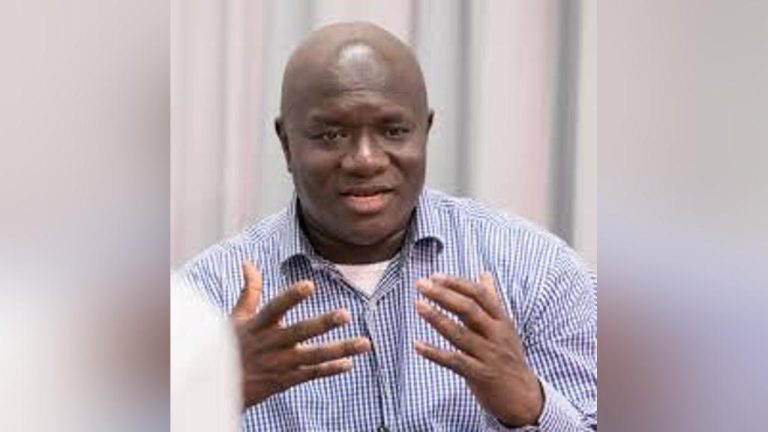
The Executive Director of the Edward Francis Small Centre for Rights and Justice (EFSCRJ), Madi Jobarteh, has intensified calls for the rethinking of Gambia’s independence, urging for people-led national dialogue to address what he described as six decades of squandered opportunities to address meaningful structural reforms.
The human rights activist made the clarion call on Monday, 16th February 2026, at the Independence and Democracy Forum 2026, an event convened by EFSCRJ in collaboration with University of The Gambia (UTG) Students’ Union, Solo Sandeng Foundation, Never Again Network, Malagen, Askanwi, Info-Check, Team Gomsa Bopa and Gambians Against Looted Assets, at the University of The Gambia Law Faculty under the theme, “61 Years of Independence: Democracy, Governance, and the Future of the Republic.”
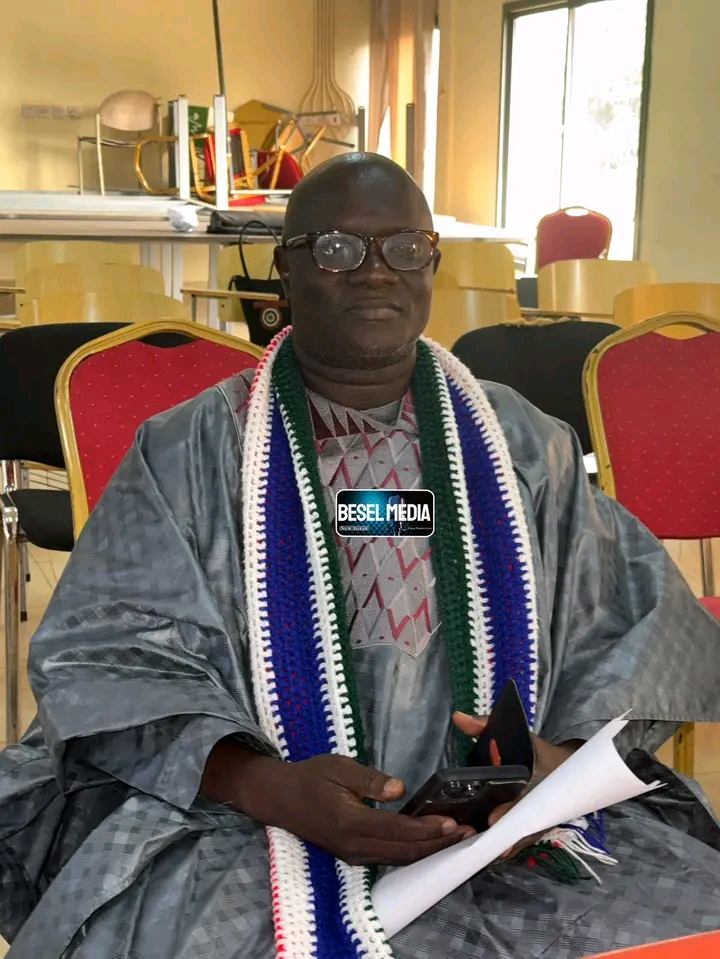
The urgent call came as Gambia braces up for the commemoration of its 61 years of independence from British colonial rule, an era marked by underdevelopment and excessive economic exploitation.
Delivering his opening remarks, Jobarteh stressed that Gambia’s 61 years of independence should not be merely celebrated but critically scrutinized.
”Independence is not the lowering of one flag and raising of another; it is the sustained construction of a republic that protects dignity, guarantees justice, and delivers shared prosperity,” he said, pinpointing the country’s key historical moments — 1965, 1970, 1981, 1994, and the democratic transition in 2017, as moments the country could have made fundamental redefinition of its governance models.
Jobarteh argued that Gambia remained highly indebted, aid-dependent, and tax-burdened, with poverty and corruption persisting after 61 years. He called for what he called “fundamental national dialogue”, citing its absence at the 1965 independence, and in 1970, when Gambia became a republic.
He maintained that the 1965 only amounted to a constitutional transfer of authority from Britain to Gambia, while the 1970 republican transition severed monarchical ties but failed to transform power relations.
In similar remarks, Jobarteh emphasized that the 1997 Constitution restored multiparty politics after military rule but entrenched expansive presidential powers.
”A democratic state is not defined merely by periodic elections, but by the primacy of citizens whose rights, agency and participation shape governance,” he explained, adding that democracy cannot thrive in a space where power remains centralized, and thus called for a restructured national dialogue while acknowledging the one launched in 2024.
Jobarteh’s concerns about meaningful reforms remained a dream for many African countries, who continue to commemorate national independence after fighting for freedom.
While Gambia today has experienced many infrastructural developments from 1965 to date, public debates on meaningful reforms remained a topic of discussion, especially after the fall of ex-President Yahya Jammeh’s regime in 2017.