

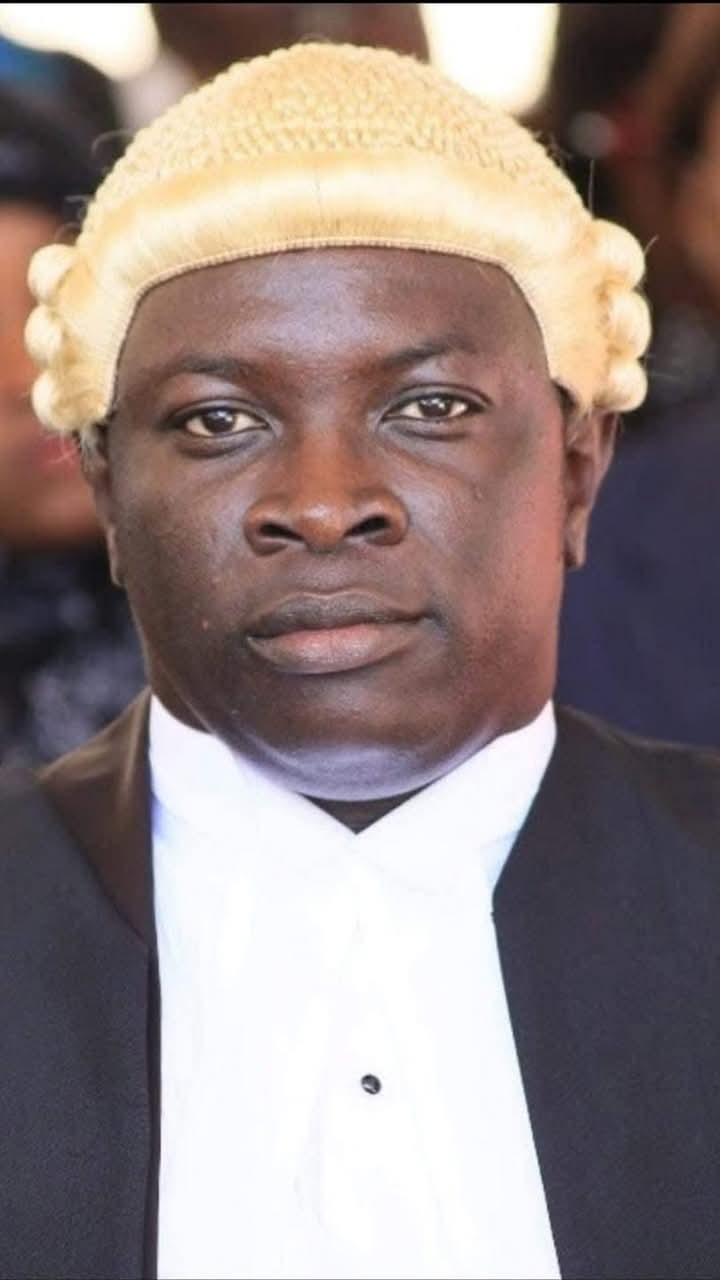
UK-based Gambian lawyer and public affairs commentator, Melville Roberts, has argued that political movements in The Gambia can lawfully organise congresses and gatherings even before being formally registered by the country’s electoral body, the Independent Electoral Commission (IEC).
“Nowhere in the Elections Act or the 1997Constitution of The Gambia is it expressly stated that citizens cannot gather politically, organise themselves, hold meetings, conventions or congresses merely because the IEC has not yet completed the registration of their movement as a political party.”
Robert’s legal argument followed the IEC Chairman, Joseph Colley’s recent statement where he warned political movements against holding congresses before being registered as a political party, a remark that generated public debate, with many saying the Chairman’s statement was directed at the UNITE Movement whose national congress and rally is scheduled to take place on 16th May 2026.
In a strongly worded piece on Wednesday, Roberts described the statement as “legally questionable” and “constitutionally dangerous,” insisting that such interpretations threaten democratic freedoms guaranteed under the 1997 Constitution.
According to him, freedom of association, assembly and political participation are constitutional rights that belong to Gambians and not privileges granted by the electoral body.”The IEC does not sit above the Constitution and cannot, either directly or indirectly, extinguish rights that the Constitution itself protects,” Roberts stressed. “The law is clear on one important distinction. An unregistered movement may not sponsor candidates in public elections as a political party until registration requirements are fulfilled. That is entirely different from saying citizens cannot organise politically, hold a congress or assemble peacefully to discuss national issues and chart a political direction for themselves and their supporters.”
He stated that the congress of the UNITE Movement will go ahead as planned whether the election body likes it or not, because it has no authority to prevent any association or groups of persons gathering and charting their political path.
The race to the country’s most important office, State House of the Gambia, is intensifying as opposition parties and movements continued to find out strategies to oust Barrow in 2026 election.